How the Brain Reacts To Natural Rewards & Drugs (NIDA) Research studies have actually shown that constant substance abuse severely restricts a person's capability to feel pleasure. at all. 6 With time, drug use leads to much smaller releases of dopamine. That indicates the brain's reward center is less responsive to enjoyment and satisfaction, both from drugs, as well as from every day sources, like relationships or activities that a person as soon as enjoyed.
7 Withdrawal takes place when an individual who's addicted to a compound stops taking it totally: either in an attempt to stop cold turkey, or since they do not have access to the drug. Someone in withdrawal feels absolutely dreadful: depressed, despondent, and physically ill. Brain imaging studies from drug-addicted individuals reveal physical, quantifiable changes in areas of the brain that are critical to judgment, decision making, discovering and memory, and behavior control.
8 A promising student might see his grades slip. A bubbly social butterfly might suddenly have problem getting out of bed. A credible brother or sister may begin taking or lying. Behavioral modifications are straight connected to the drug user's altering brain. Cravings take over. These cravings hurt, consistent, and sidetracking.
Especially provided the strength of withdrawal signs, the body desires to avoid remaining in withdrawal at all expenses. how to help someone with a drug addiction. "We require to Drug Rehab Delray inform our children that one drink or one pill can lead to an addiction. A few of us have the genes that increase our danger of addiction, even after just a few uses.
However at some time during use, a switch gets flipped within the brain and the choice to use is no longer voluntary. As the Director of the National Institute on Substance abuse puts it, it's as if an addicted person's brains has actually been pirated. Anyone who tries a compound can become addicted, and research reveals that the majority of Americans are at threat of establishing addiction.
What Does The Bible Say About Drug Addiction Can Be Fun For Anyone
What's more, 42% of 1718 years of age report that they've attempted illegal drugs. 10 After preliminary exposure, nobody selects how their brain will react to drugs or alcohol. So why do some people develop dependency, while others don't? The most recent science points to 3 main elements. Scientific research has revealed that 5075% of the possibility that an individual will develop dependency originates from genes, or a family history of the disease.
Research reveals that maturing in an environment with older adults who use drugs or participate in criminal habits is a risk factor for addiction. Protective aspects like a stable house environment and helpful school are all shown to minimize the danger. Addiction can establish at any age. But research study shows that the previously in life an individual attempts drugs, the more likely that person is to develop dependency.
Introducing drugs to the brain throughout this time of growth and modification can trigger major, long-lasting damage. Dependency is not an option. It's not an ethical stopping working, or a character defect, or something that "bad individuals" do. Most researchers and professionals concur that it's an illness that is triggered by biology, environment, and other elements.
An individual can't undo the damage drugs have actually done to their brain through large willpower. Like other chronic health problems, such as asthma or type 2 diabetes, continuous management of addiction is required for long-lasting healing. This can include medication, behavior modification, peer-support, and lifestyle adjustments. what is drug addiction characterized by.
Drug addiction, also called compound usage condition, is an illness that affects a person's brain and behavior and causes an inability to control using a legal or controlled substance or medication. Compounds such Drug Rehab as alcohol, cannabis and nicotine also are thought about drugs. When you're addicted, you may continue using the drug despite the damage it causes.
Not known Facts About What Does The Bible Say About Drug Addiction And Alcohol Detox Marriage
For others, particularly with opioids, drug addiction starts with exposure to prescribed medications, or getting medications from a friend or relative who has actually been prescribed the medication. The threat of addiction and how fast you end up being addicted differs by drug. Some drugs, such as opioid pain relievers, have a higher danger and trigger dependency faster than others.
Quickly you might need the drug simply to feel good. As your drug use increases, you might discover that it's increasingly hard to go without the drug. Efforts to stop drug usage may trigger intense yearnings and make you feel physically ill (withdrawal symptoms). You might require aid from your doctor, household, pals, support groups or an orderly treatment program to overcome your drug addiction and remain drug-free.
Possible signs that your teenager or other relative is using drugs include: often missing school or work, a sudden disinterest in school activities or work, or a drop in grades or work performance lack of energy and motivation, weight-loss or gain, or red eyes lack of interest in clothes, grooming or looks overstated efforts to bar family members from entering his/her room or being secretive about where he or she opts for friends; or drastic changes in habits and in relationships with friends and family unexpected demands for cash without a reasonable description; or your discovery that money is missing out on or has actually been stolen or that items have disappeared from your home, indicating perhaps they're being sold to support substance abuse Symptoms and signs of drug usage or intoxication might vary, depending on the type of drug.
People utilize marijuana by smoking, consuming or breathing in a vaporized type of the drug. Marijuana often precedes or is used together with other substances, such as alcohol or unlawful drugs, and is frequently the very first drug tried - would most quickly result in dependence or addiction would be:. Symptoms and signs of current use can include: A sense of bliss or feeling "high" A heightened sense of visual, auditory and taste understanding Increased blood pressure and heart rate Red eyes Dry mouth Decreased coordination Trouble concentrating or keeping in mind Slowed response time Stress and anxiety or paranoid thinking Cannabis odor on clothing or yellow fingertips Overstated yearnings for specific foods at unusual times Long-term (chronic) usage is typically associated with: Reduced psychological sharpness Poor efficiency at school or at work Lowered variety of good friends and interests 2 groups of miracle drugs artificial cannabinoids and replaced or synthetic cathinones are illegal in a lot of states.
Artificial cannabinoids, also called K2 or Spice, are sprayed on dried herbs and after that smoked, however can be prepared as an organic tea. Regardless of producer claims, these are chemical substances rather than "natural" or harmless items. These drugs can produce a "high" comparable to cannabis and have become a popular but dangerous option.
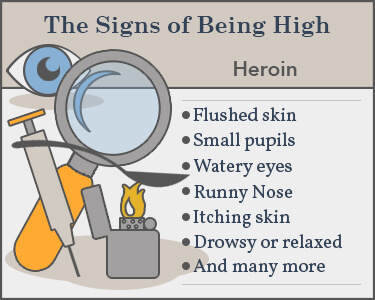
The Only Guide for How To Stop Drug Addiction
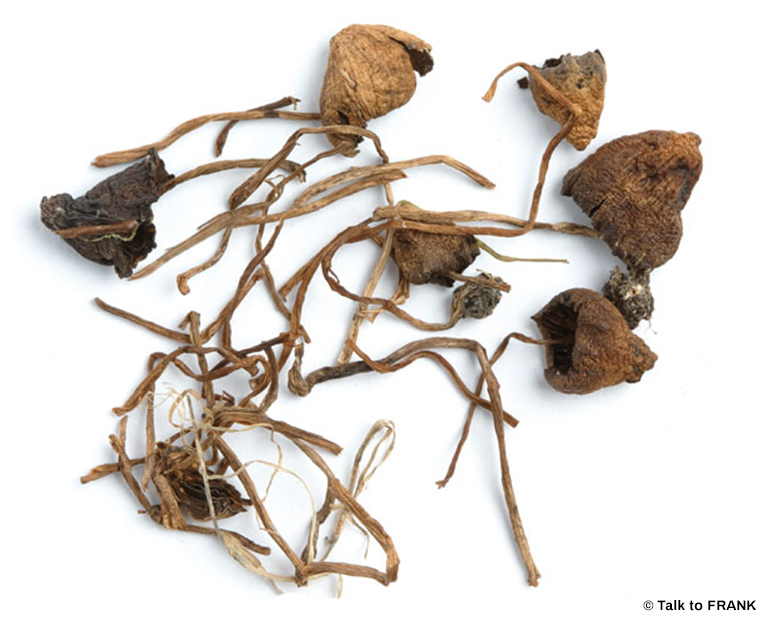
Plans are frequently identified as other items to prevent detection. Despite the name, these are not bath items such as Epsom salts. Replaced cathinones can be consumed, snorted, inhaled or injected and are highly addictive. These drugs can trigger extreme intoxication, which results in unsafe health results or perhaps death.
They're typically used and misused in search for a sense of relaxation or a desire to "turn off" or forget stress-related thoughts or feelings. Examples consist of phenobarbital and secobarbital (Seconal). Examples include sedatives, such as diazepam (Valium), alprazolam (Xanax), lorazepam (Ativan), clonazepam (Klonopin) and chlordiazepoxide (Librium). Examples consist of prescription sleeping medications such as zolpidem (Ambien, Intermezzo, others) and zaleplon (Sonata).